

For individuals who are neurodivergent, life experiences can sometimes be complex and overwhelming. Individuals with additional needs may have unique sensory, social, and emotional needs that require support and accommodations to help them navigate the world around them. When it comes to being an effective ally and providing the best life experiences for those who have additional needs, engagement is often more important than choice.
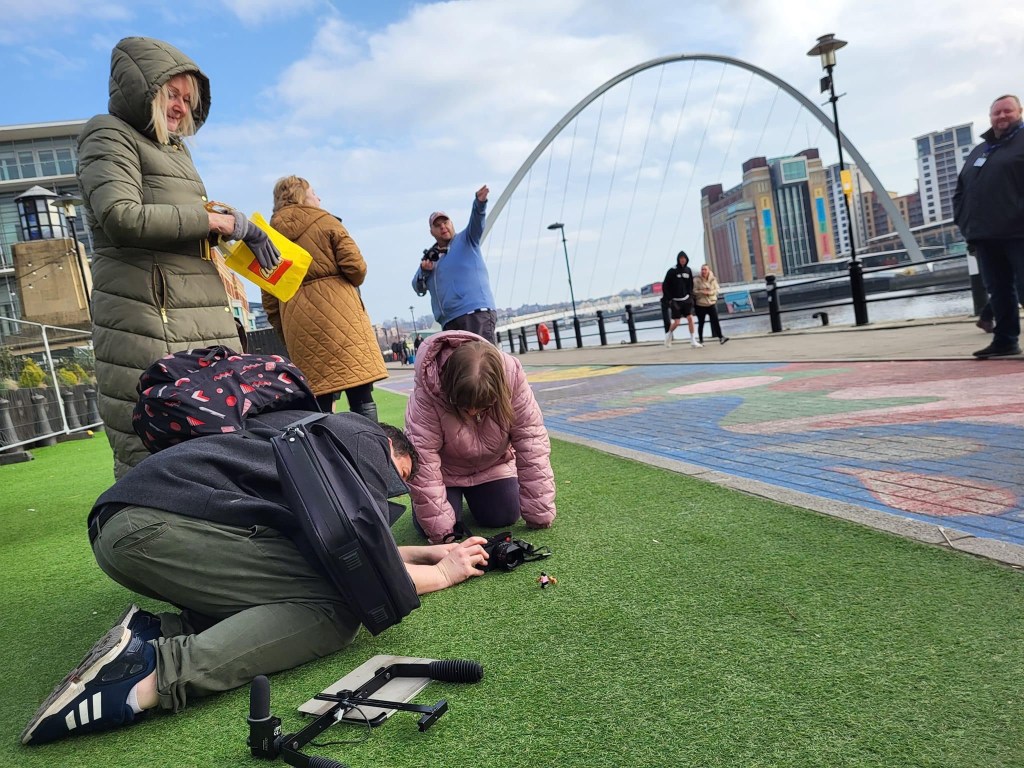
Choice is often touted as a critical aspect of a good life experience. It is true that having choices is essential for everyone, including those who are neurodivergent. However, when it comes to providing the best experiences, choice alone may not be sufficient. Neurodivergent individuals may struggle with decision-making, especially when presented with too many options or conflicting information. Having too many choices can also be overwhelming and lead to feelings of anxiety or frustration. Moreover, providing choices that aren’t fully understood or explained correctly can be detrimental to the individual’s experience.
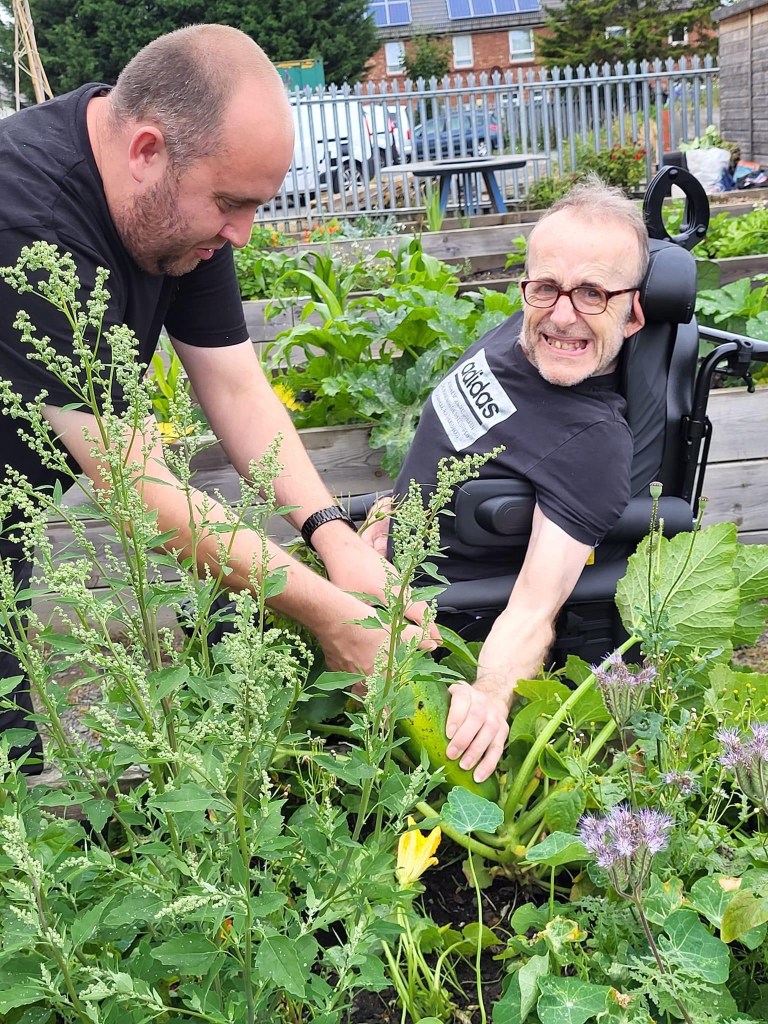
Sometimes, our subconscious biases as allies, family members, friends, and support workers can stand in the way of giving the people we support the best possible chance of getting the most out of life. It’s important to recognise that our biases may influence the choices we present to neurodivergent individuals, and those choices may not necessarily be in their best interest. Therefore, it’s essential to involve the person being supported in the decision-making process, ensuring that they understand the options available, and are encouraged and empowered to make choices that align with their individual needs, interests and preferences.
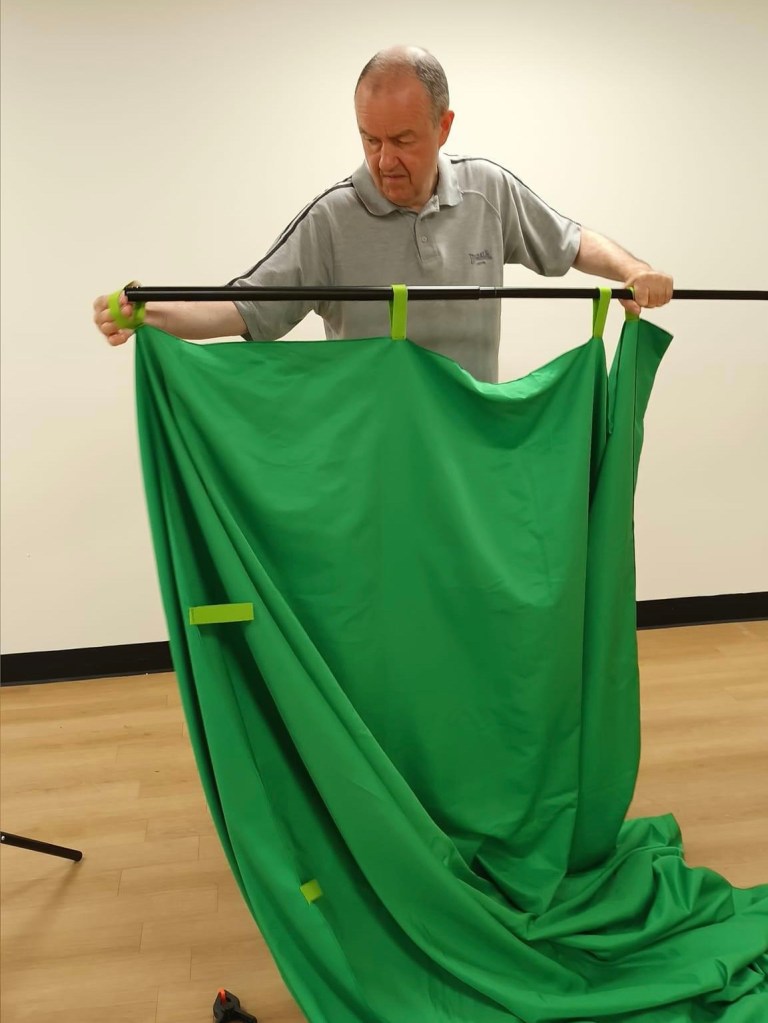
Engagement, on the other hand, refers to the level of involvement, interaction, and connection an individual has with an experience or activity. For individuals who are neurodivergent, engagement can be a critical factor in creating positive and meaningful experiences. Engagement can help build a sense of purpose, increase social connections, and provide opportunities for growth and development.
Engagement can take many forms, from participating in a sensory-friendly activity to collaborating on a group project. It can also involve creating experiences that are tailored to an individual’s unique needs and interests. When an experience is designed with engagement in mind, it can provide a sense of predictability and structure that can be comforting for individuals who may struggle with uncertainty or change.

When it comes to providing the best life experiences for those who are neurodivergent, it is crucial to focus on engagement. By creating experiences that are tailored to an individual’s unique needs and interests, we can help build connections and provide opportunities for growth and development. This approach recognises that the quality of the experience is more important than the number of choices available.
By prioritising engagement, we can help ensure that everyone, including those who are neurodivergent, have the opportunity to live a fulfilling and meaningful life. After all this should be a basic human right for everyone.
- A Journey of Resilience and Triumph: Kath’s New Beginnings

- Are You Managing Dyslexia, or Is It Managing You?

- Breaking Barriers: Celebrating Neurodiversity in Photography with the ‘Wey Aye Lego Man’ Exhibition

- Breaking Barriers: How People with Disabilities Are Changing the World of Work

 Neuroversal Studios