The arts have always been a reflection of our society, capturing the human experience and allowing us to explore and connect with the world around us. From literature and music to theater and visual arts, the creative expressions of artists have the power to inspire, educate, and move us. However, for far too long, the arts have been dominated by a narrow range of perspectives and experiences, leaving many voices unheard and stories untold. That’s why we need more diversity in the arts, and why neurodivergent artists have so much to offer.
Neurodiversity is a term that refers to the natural variation in human cognition and behavior, including conditions such as autism, ADHD, dyslexia, and others. While society has often viewed neurodivergent individuals as “broken” or “deficient,” many advocates and scholars are now pushing for a more positive and inclusive understanding of these differences. In the arts, neurodivergent artists can bring a unique perspective to their work that challenges traditional ways of thinking and pushes us to see the world in new and profound ways.
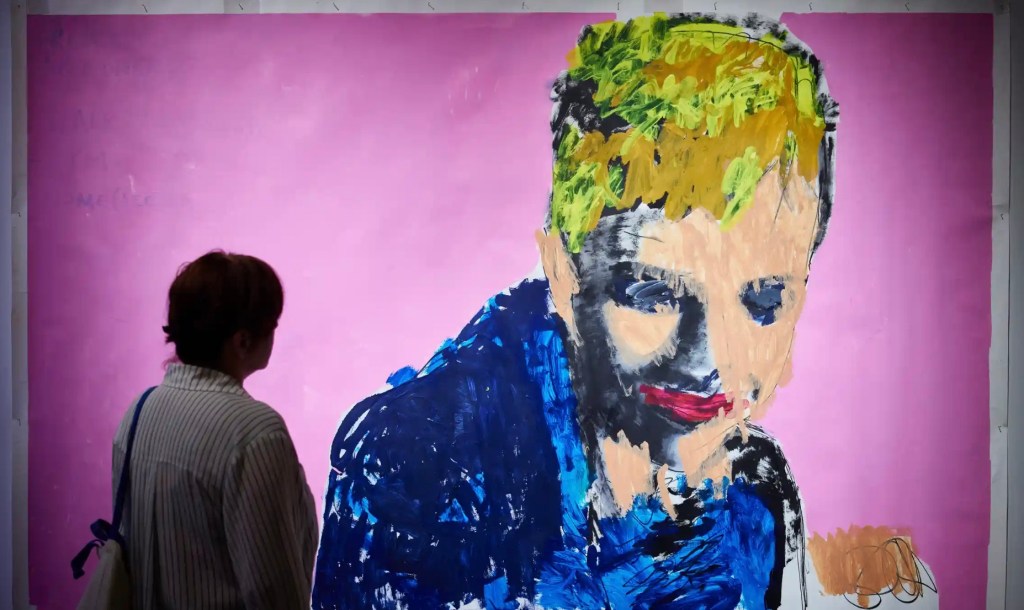
One of the most compelling aspects of neurodivergent art is its authenticity. Neurodivergent artists often have a deep understanding of their own experiences and can communicate those experiences in ways that are raw, honest, and deeply felt. They can use their art to express emotions and ideas that might be difficult or impossible to convey in words alone. In this way, neurodivergent art can help us connect with our own emotions and experiences in a more profound and meaningful way.
Another aspect of neurodivergent art that sets it apart is its ability to challenge our assumptions about how the world works. Neurodivergent individuals often perceive the world differently from neurotypical individuals, and this can lead to unique insights and perspectives.
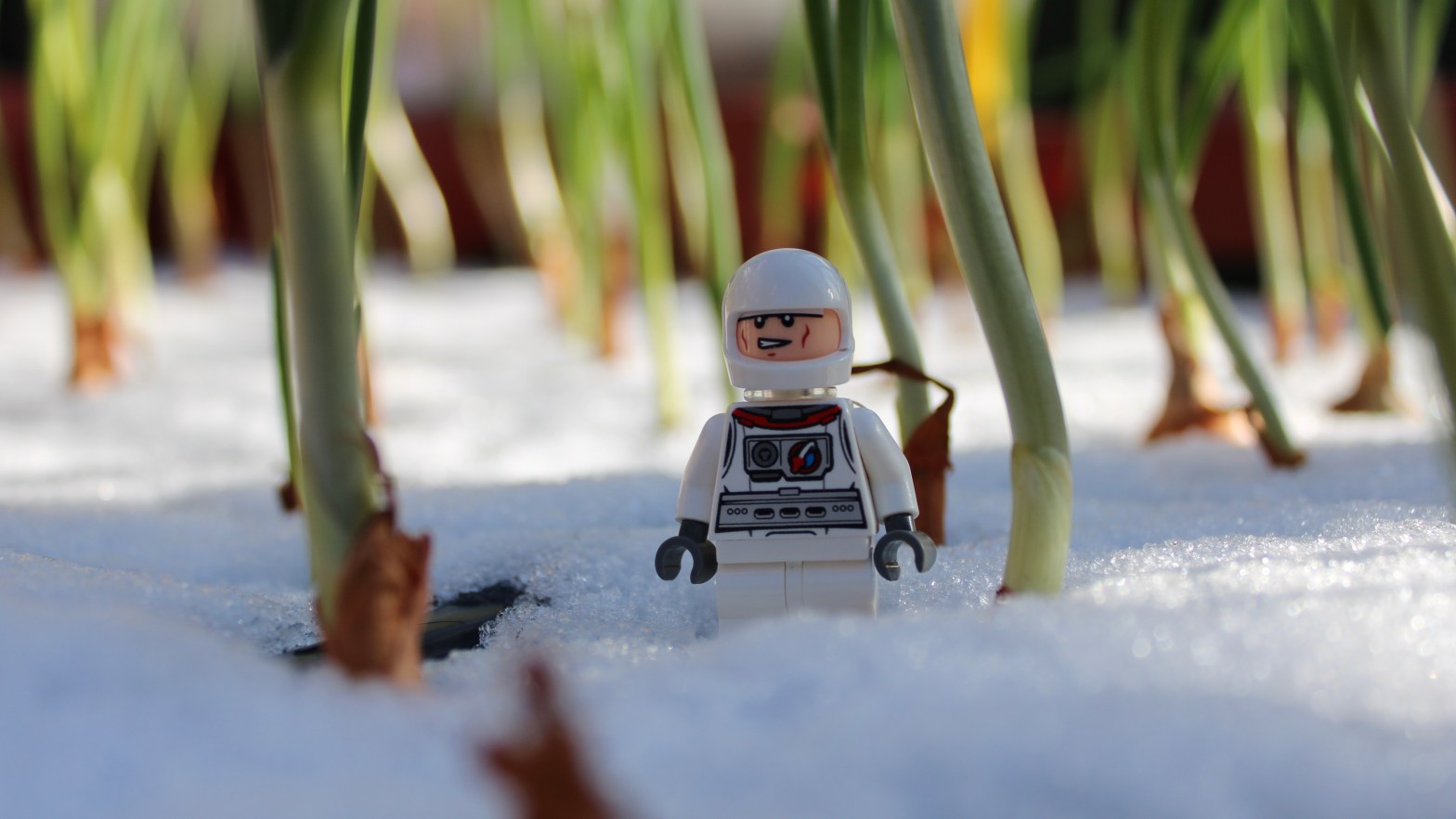
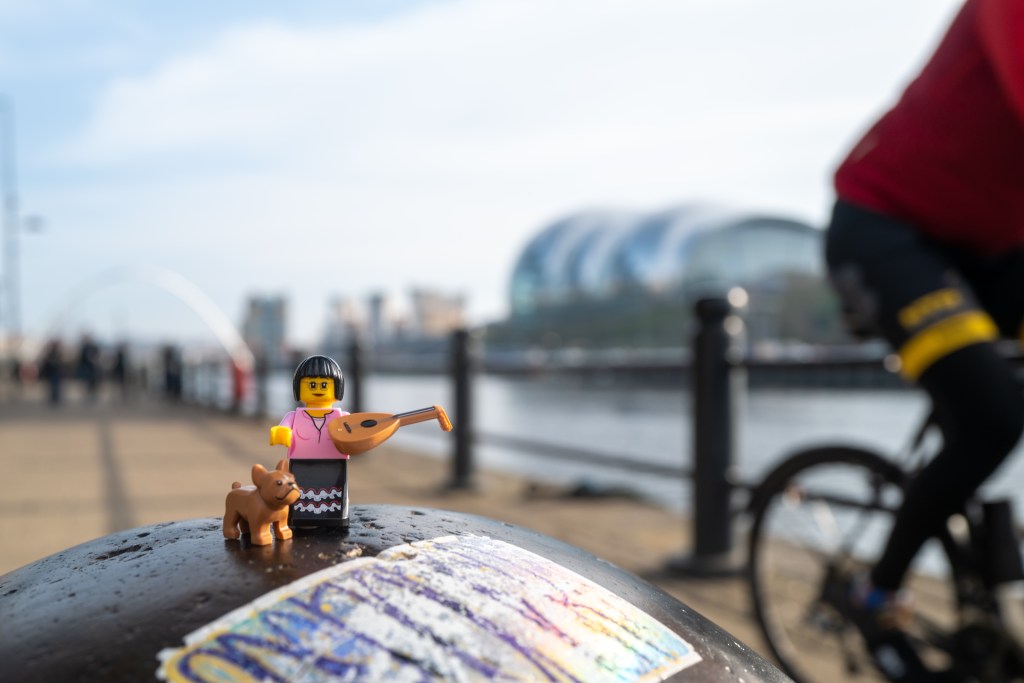
For example, an artist with autism might see patterns and connections in the world that others miss, or a writer with dyslexia might have a more intuitive understanding of language and storytelling. By embracing these differences, we can broaden our own understanding of the world and learn to see it in new and exciting ways. This concept was recently realised in a wonderful exhibition of Lego man themed photography by 35 neurodivergent artists in the North East of England, called Wey Aye Lego Man. I would love to see an end to exclusivity in the arts and more opportunities for neurodiverse artists to share their unique insights with the world.
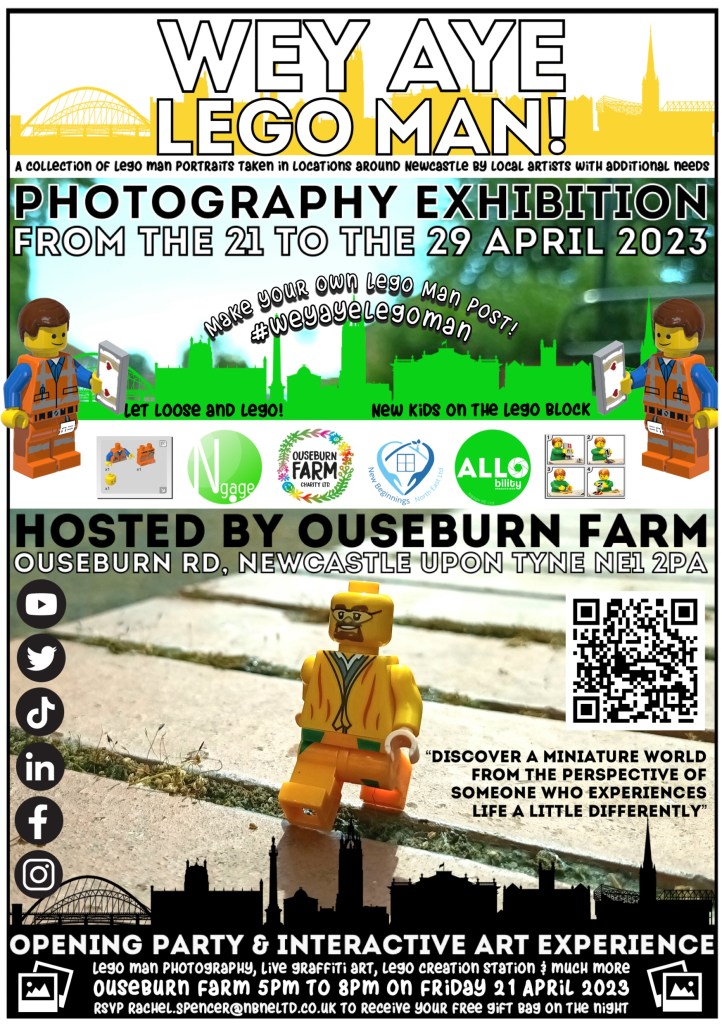
Finally, neurodivergent art can help us create a more inclusive and compassionate society. By celebrating the diversity of human experience, we can break down the barriers that separate us and build a more understanding and empathetic world. Neurodivergent artists can help us see beyond our own experiences and connect with the experiences of others, regardless of their differences.
In conclusion, we need more diversity in the arts, and neurodivergent artists have a lot to offer. Their unique perspectives and experiences can challenge our assumptions, deepen our understanding of the human experience, and help us build a more inclusive and compassionate society. By embracing neurodiversity in the arts, we can create a richer and more meaningful cultural landscape that truly reflects the diversity of the world around us.
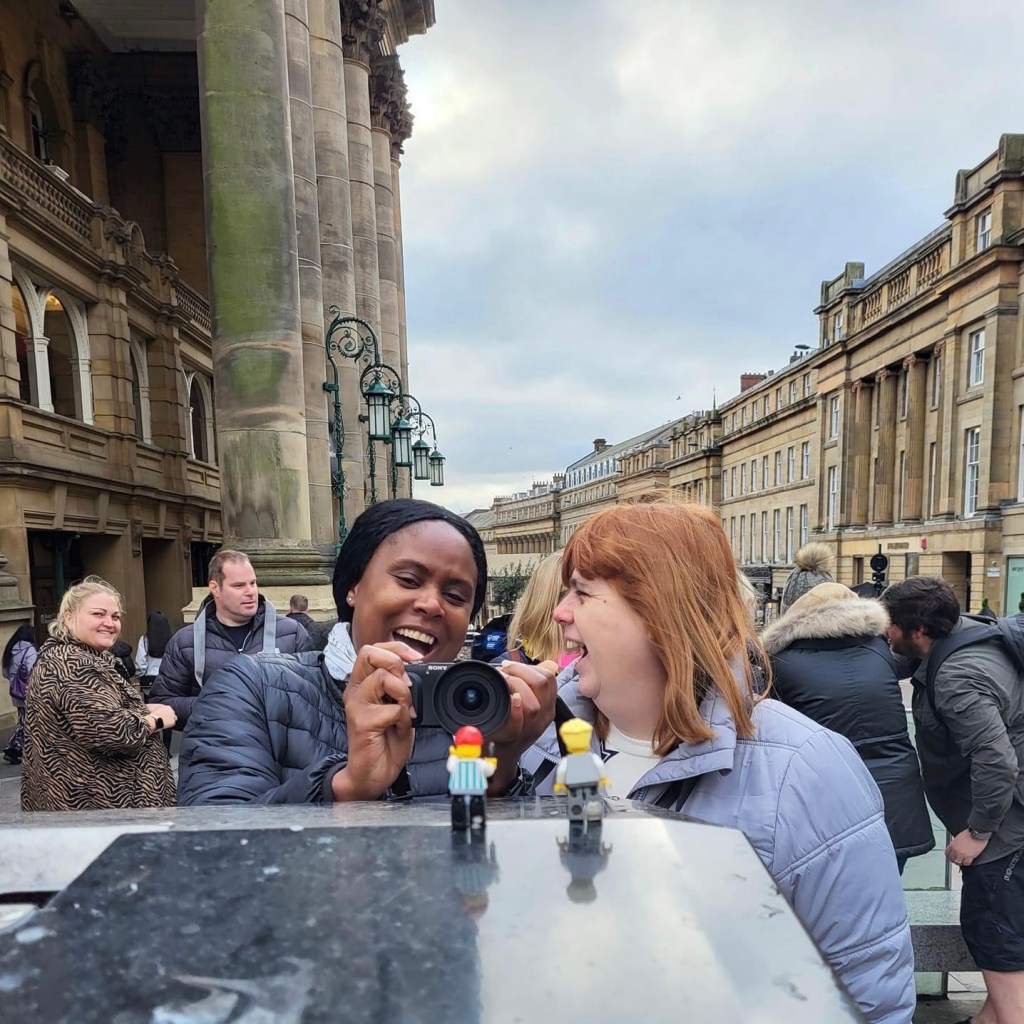
- Calling All Creatives: Turn a LEGO Figure into Art for Landmark Exhibition

- Wey Aye LEGO Man Wins Prestigious 3rd Sector Care Award for Creative Arts!

- Wey Aye LEGO Man 2025: Transforming LEGO in the Heart of Newcastle
- Calling All Artists to LEGO and Have Fun!
 Neuroversal Studios