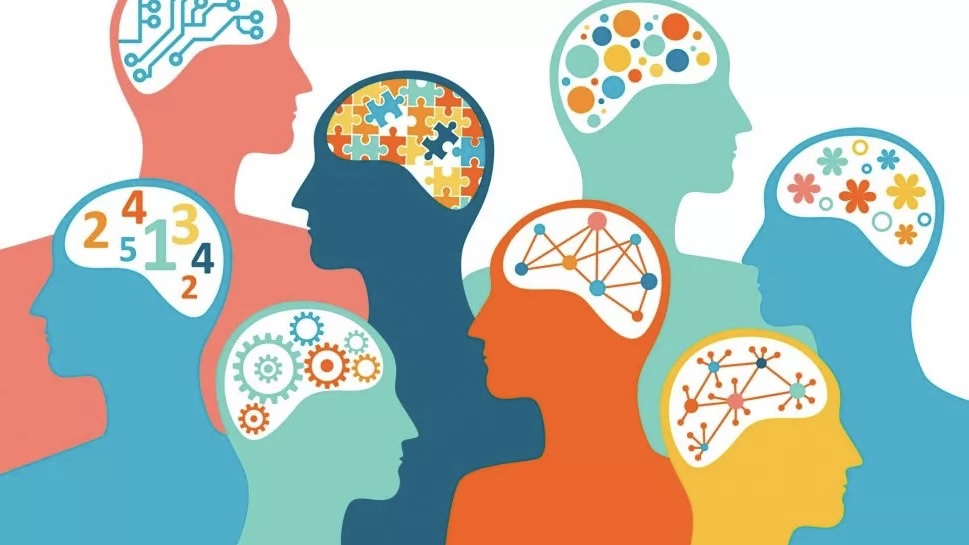
Diversity and inclusion are crucial aspects of any workplace, but often the focus is on race, gender, and ethnicity. One area that is often overlooked is the inclusion of neurodiverse individuals in the workforce. Neurodiversity refers to the natural variations in the human brain, including autism, ADHD, dyslexia, and other neurological differences.
Companies that are open to hiring neurodiverse individuals can benefit from the new perspectives they bring, as well as their unique skills and talents.

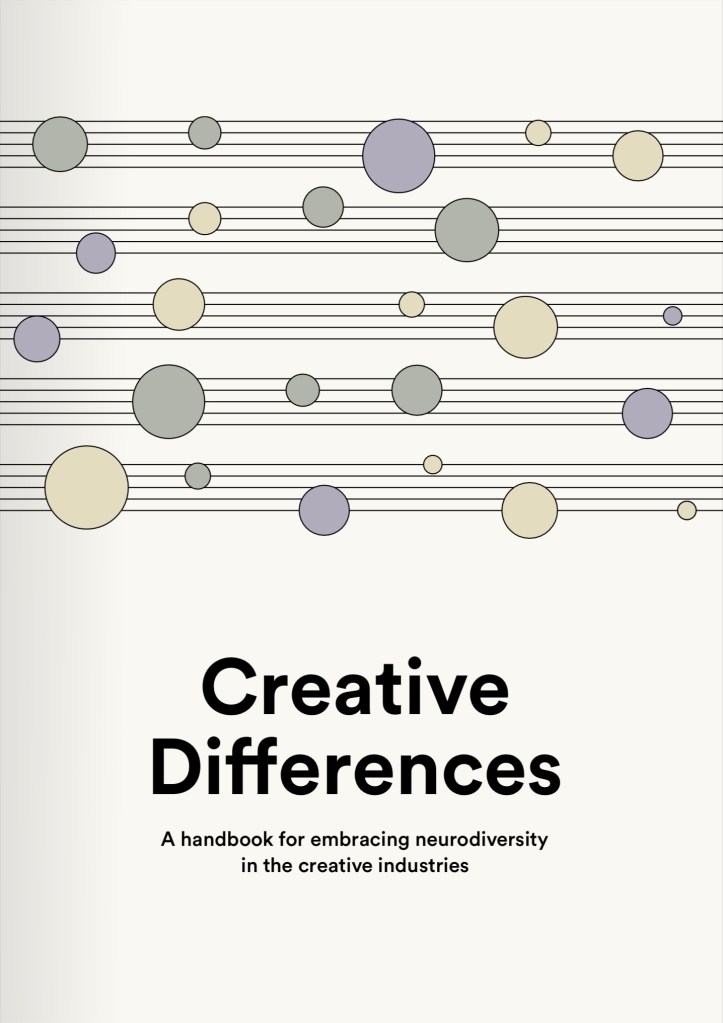
As a CEO of Universal Music, David Joseph has become a prominent advocate for embracing neurodiversity in the workplace. He carried out extensive research on the topic and produced a handbook called Creative Differences, which highlights the benefits of neurodiverse individuals in the workplace. Joseph’s research reveals that with the right support and accommodations, neurodiverse individuals can excel as employees, exhibiting remarkable dedication and loyalty towards their work.
The BBC Sounds podcast, People Fixing the World, recently aired an episode titled “Work Access for All.” The podcast episode showcases interviews with individuals who have diverse needs and are employed in positions that align with their strengths. By doing so, it sheds light on the various advantages these individuals bring to their employers. Listening to this podcast can provide you with valuable insights into how your business or organisation can benefit from similar employment practices.

Here are ten adjustments that Joseph and other experts suggest companies can make to attract and retain neurodiverse talent:
1. Create a welcoming environment that is free from sensory overload and respectful of differences.
2. Offer flexible work arrangements, such as remote work, flexible hours, or part-time work.
3. Simplify the job application process by avoiding jargon and providing clear instructions.
4. Provide training on neurodiversity to ensure that everyone in the workplace understands how to create an inclusive environment.
5. Offer job coaching or mentoring to help neurodiverse individuals succeed and feel more comfortable in their role.
6. Provide clear expectations and structure, such as clear job descriptions and regular feedback.
7. Offer accommodations, such as noise-cancelling headphones or a quiet workspace, to help neurodiverse individuals perform their jobs effectively.
8. Being open to alternative or unconventional methods of communication, such as non-verbal communication, technology and artistic expression.
9. Create a support network, such as support groups or employee resource groups, to help neurodiverse employees feel more comfortable and included in the workplace.
10. Celebrate neurodiversity by hosting events, highlighting accomplishments, and creating a culture of acceptance and celebration.

Making your workplace more accessible to neurodiverse individuals is not only the right thing to do, but it can also benefit your company in countless ways. By implementing these ten adjustments, you can attract and retain neurodiverse talent, foster a more inclusive workplace culture, and ultimately drive success for your business.
If you’re interested in learning more about how to recruit neurodiverse talent, open this PDF version of the Creative Differences handbook or visit these useful links listed below:
The National Autistic Society’s guidance on employing autistic people:
The Neurodiversity Hub’s guide to neurodiverse hiring:
- A Journey of Resilience and Triumph: Kath’s New Beginnings

- Are You Managing Dyslexia, or Is It Managing You?

- Breaking Barriers: Celebrating Neurodiversity in Photography with the ‘Wey Aye Lego Man’ Exhibition

- Breaking Barriers: How People with Disabilities Are Changing the World of Work

 Neuroversal Studios