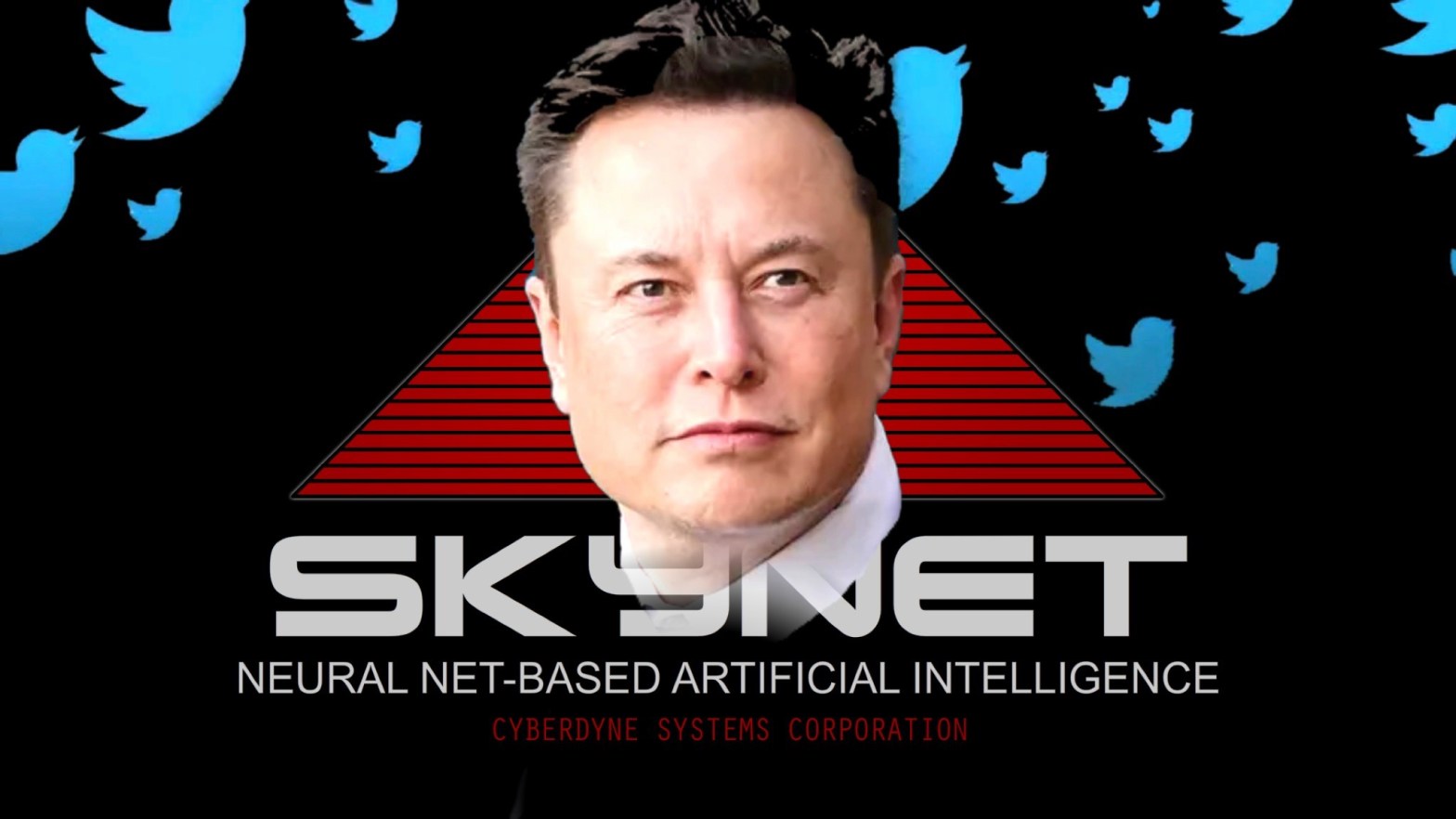
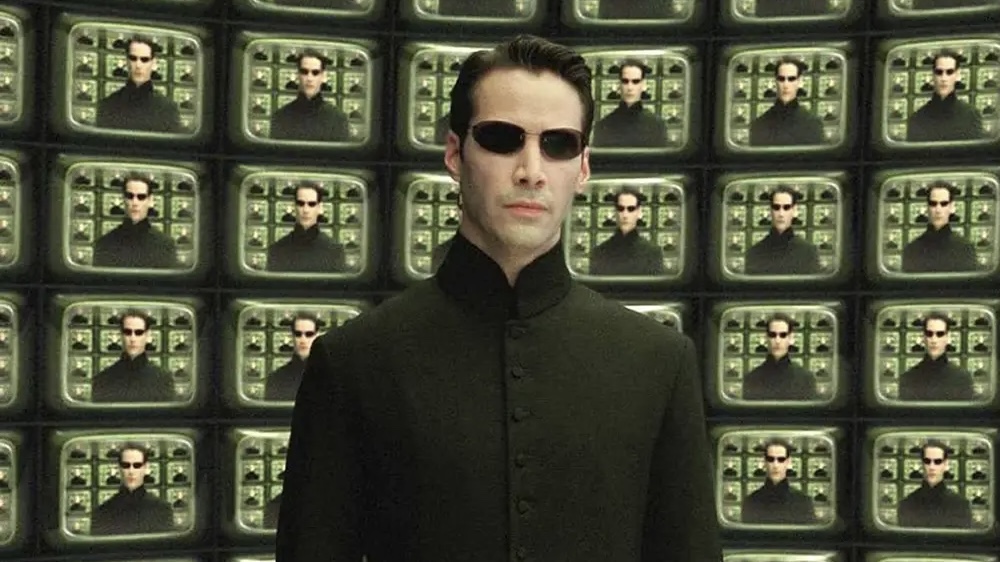
Are you worried that artificial intelligence (AI) is going to take over the world and turn us all into batteries like in The Matrix? Or are you excited about the possibilities of AI to create a utopian future where we all live in harmony with our robot overlords? With so many conflicting predictions about AI in the news and on social media, it can be hard to separate fact from fiction. But don’t worry, we’re here to help. We’ve scoured the internet, talked to experts, and even sent a message to SkyNet (they haven’t responded yet, but we’re optimistic). Here’s what we found out about how AI will affect neurodiverse people in the near future:
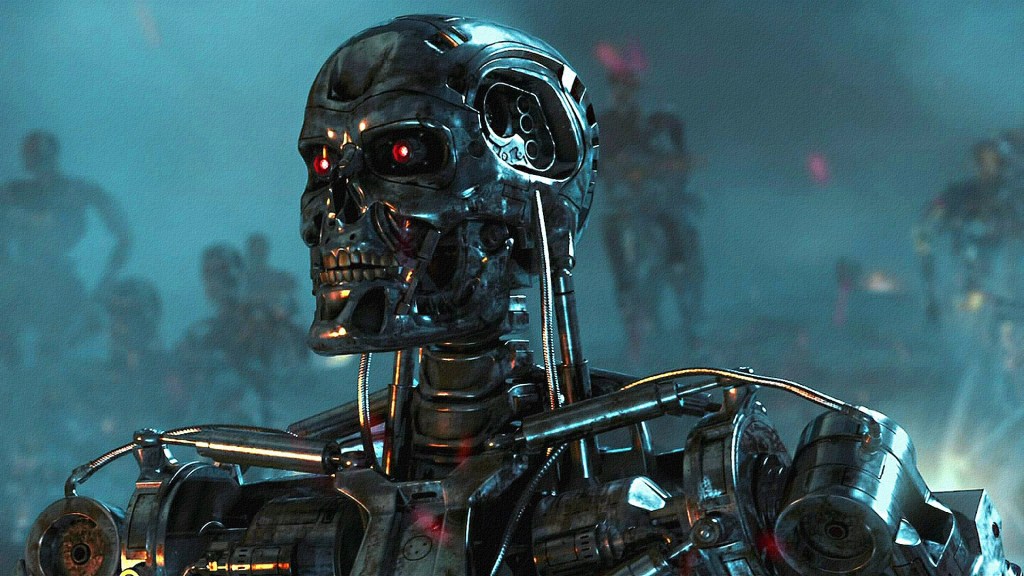
As someone who has been following the news and social media discussions about AI for a while now, I’ve noticed a lot of conflicting predictions about its potential future impacts on society. On the one hand, there are those who believe that AI will revolutionise industries and improve people’s lives in numerous ways, especially for people who are neurodiverse. On the other hand, there are those who warn of the dangers of unchecked AI development, predicting dystopian outcomes such as mass unemployment and loss of control over critical systems.
So, I decided to find out what the experts are saying about the future of AI and how it might affect neurodiverse individuals in particular. Here are some quotes from some experts discussing AI today:
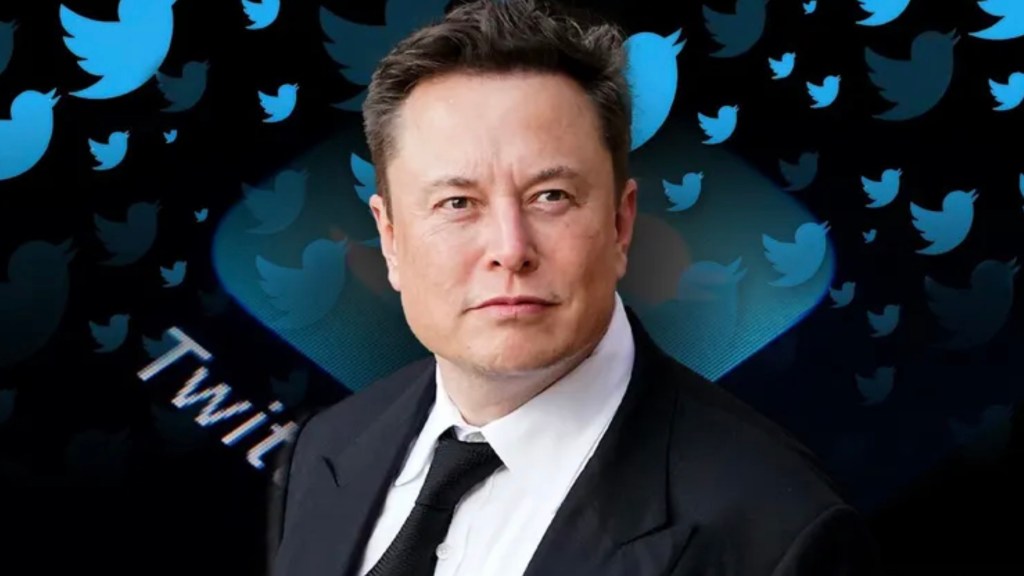
“I’m increasingly inclined to think that there should be some regulatory oversight, maybe at the national and international level, just to make sure that we don’t do something very foolish. I mean with artificial intelligence we’re summoning the demon.”
Elon Musk

“The real question is, when will we draft an artificial intelligence bill of rights? What will that consist of? And who will get to decide that?”
Gray Scott
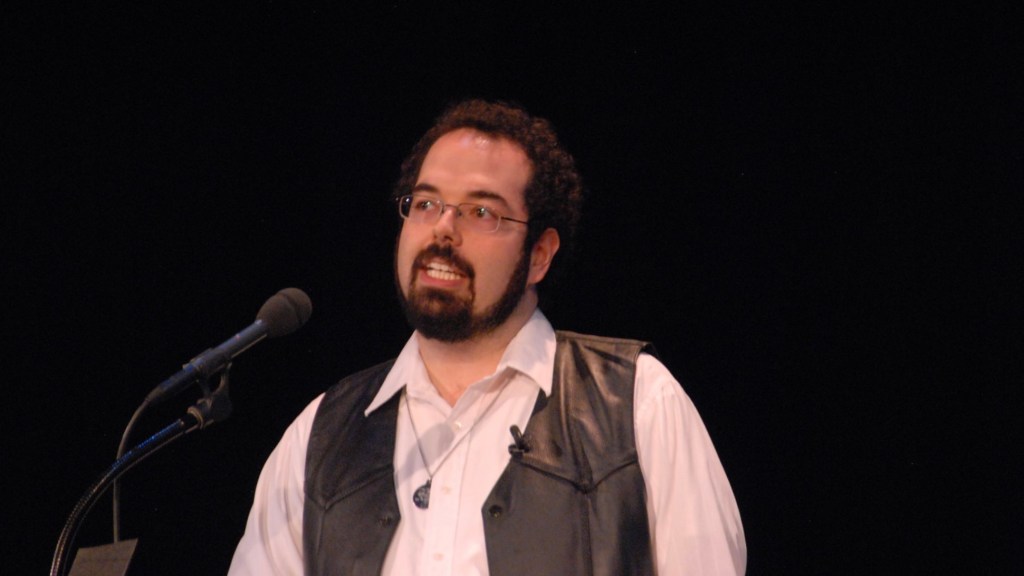
“Anything that could give rise to smarter-than-human intelligence—in the form of Artificial Intelligence, brain-computer interfaces, or neuroscience-based human intelligence enhancement – wins hands down beyond contest as doing the most to change the world. Nothing else is even in the same league.”
Eliezer Yudkowsky
Now, let’s look at some potential positives and negatives for how AI might affect neurodiverse people in the near future.

Positives:
Improved accessibility: AI-powered devices and applications can help make the world more accessible for neurodiverse individuals, enabling greater participation in society.
Tailored learning experiences: AI can help create personalised learning experiences for neurodiverse students, taking into account their individual learning styles and needs.
Assistive technology: AI-powered assistive technologies can help neurodiverse individuals overcome challenges associated with their condition.
Employment opportunities: AI-powered technologies can help create new employment opportunities for neurodiverse individuals.
Negatives:
AI bias and discrimination: AI algorithms can reflect the biases of their creators, leading to discriminatory outcomes in areas such as hiring or education.
Job displacement: AI can lead to job displacement, particularly in industries such as manufacturing and transportation, which can disproportionately affect neurodiverse individuals.
Privacy concerns: AI-powered technologies, such as facial recognition, can erode individual privacy and civil liberties, potentially affecting neurodiverse individuals who may already face social stigmatisation.
Overreliance on technology: There is a risk that individuals may become over-reliant on AI-powered technologies, potentially impacting their ability to develop essential skills and adapt to change.
As we navigate the development and implementation of AI, it’s crucial that we prioritise the ethical and inclusive use of these technologies. By doing so, we can work towards a future in which AI is leveraged to create a more accessible and equitable society for all.
In a recent interview, musician Grimes made a thought-provoking statement about AI, suggesting that it could be “the fastest path to communism.” This comment has sparked discussion and debate about the potential impact of AI on our society and economy.

Grimes’ statement is rooted in the idea that AI could automate many jobs, potentially leading to a more equal distribution of wealth and resources. While this could be seen as a positive outcome, there are also concerns about the displacement of workers and the potential concentration of power in the hands of those who control AI.
From my perspective, the role of AI in society ultimately depends on the intentions and actions of those who create and control it. As we continue to integrate AI into our daily lives, it’s crucial that we prioritise ethics and ensure that those responsible for making decisions regarding AI development are held accountable. Only then can we harness the power of AI to create a brighter future for all, including neurodiverse individuals.
- Calling All Creatives: Turn a LEGO Figure into Art for Landmark Exhibition

- Wey Aye LEGO Man Wins Prestigious 3rd Sector Care Award for Creative Arts!

- Wey Aye LEGO Man 2025: Transforming LEGO in the Heart of Newcastle

- Calling All Artists to LEGO and Have Fun!

 Neuroversal Studios