In a world that champions inclusivity and diversity, it is essential that every individual, regardless of their abilities, has the opportunity to exercise their fundamental right to vote. Unfortunately, many individuals who are neurodiverse often face unique challenges when it comes to participating in the democratic process.
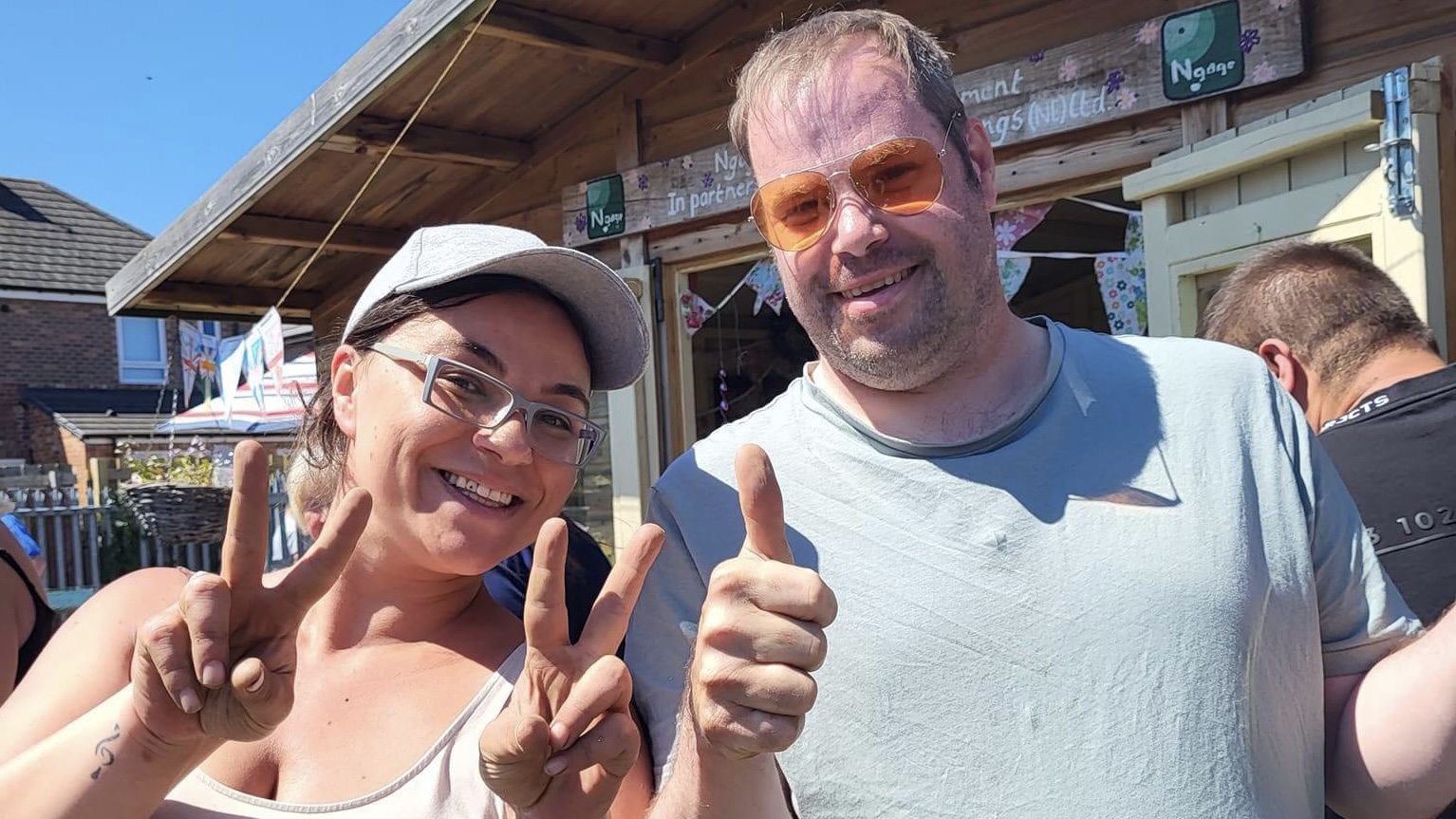
However, hope shines brightly as Ngage NE Ltd and New Beginnings NE Ltd, two remarkable non-profit organisations, have embarked on an exciting collaboration with students from Northumbria University. Together, they are spearheading an innovative project to establish a neurodiverse-friendly polling station, fostering voting accessibility and raising awareness about the neurodiversity rights movement.
The Voting Accessibility Challenge:
“For individuals with neurodiverse conditions, voting can be an overwhelming experience due to the sensory and cognitive barriers they face,” explains Rachel, the founder of Ngage NE Ltd. “We recognised the urgent need to address these challenges and create an inclusive environment that empowers every person to exercise their right to vote.”

Collaboration for Change:
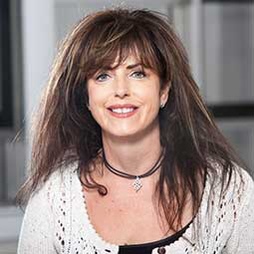
Louise Ridley, a Senior Lecturer for Social Sciences at Northumbria University.
Louise Ridley, a Senior Lecturer at Northumbria University, shares her perspective on the collaboration: “The partnership between our students and Ngage and New Beginnings is a powerful union of academic knowledge and real-world expertise. By bringing together these diverse perspectives, we can drive meaningful change and promote inclusivity in our democratic processes.”
The project aims to meticulously analyse and understand the specific obstacles faced by neurodiverse individuals when it comes to voting. Through in-depth research and consultation with experts in the field, the team aims to identify key areas for improvement, devise innovative solutions, and create a blueprint for a neurodiverse-friendly polling station, leading the way for the neurodiverse rights movement.
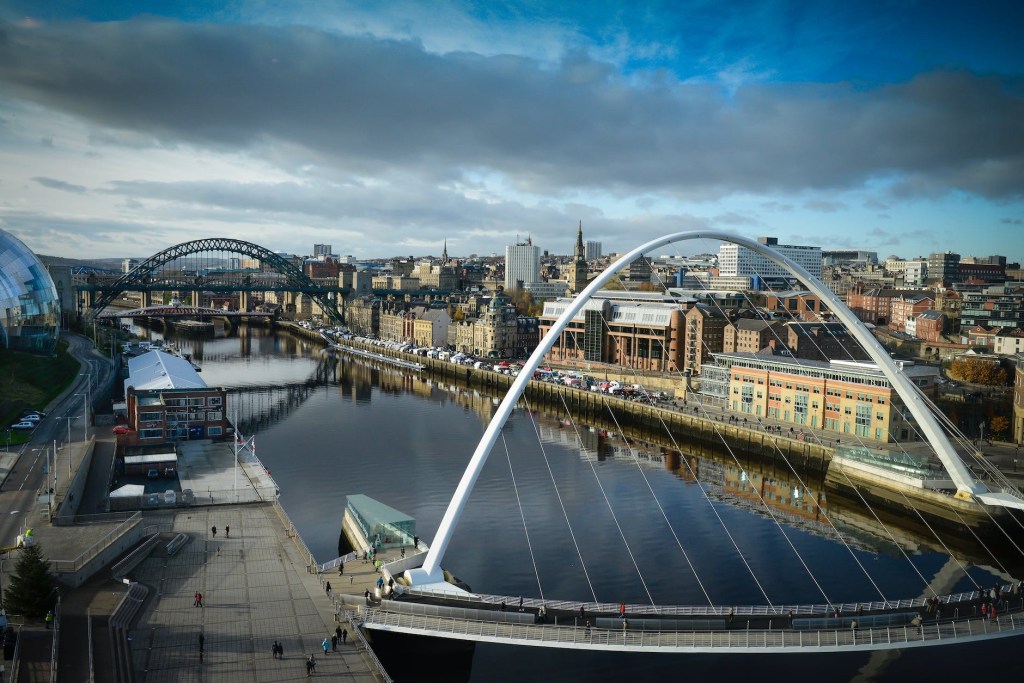
The Tyne river, Newcastle upon Tyne
Building a Real-Life Neurodiverse-Friendly Polling Station:
With the next election on the horizon, time is of the essence. The collaborative team is working diligently to transform their vision into reality. Their goal is to construct a fully functional neurodiverse-friendly polling station right on the grounds of Northumbria University. This physical space will serve as a testbed for their innovative solutions and a beacon of hope for individuals with additional needs, proving that voting accessibility can be achieved for everyone.

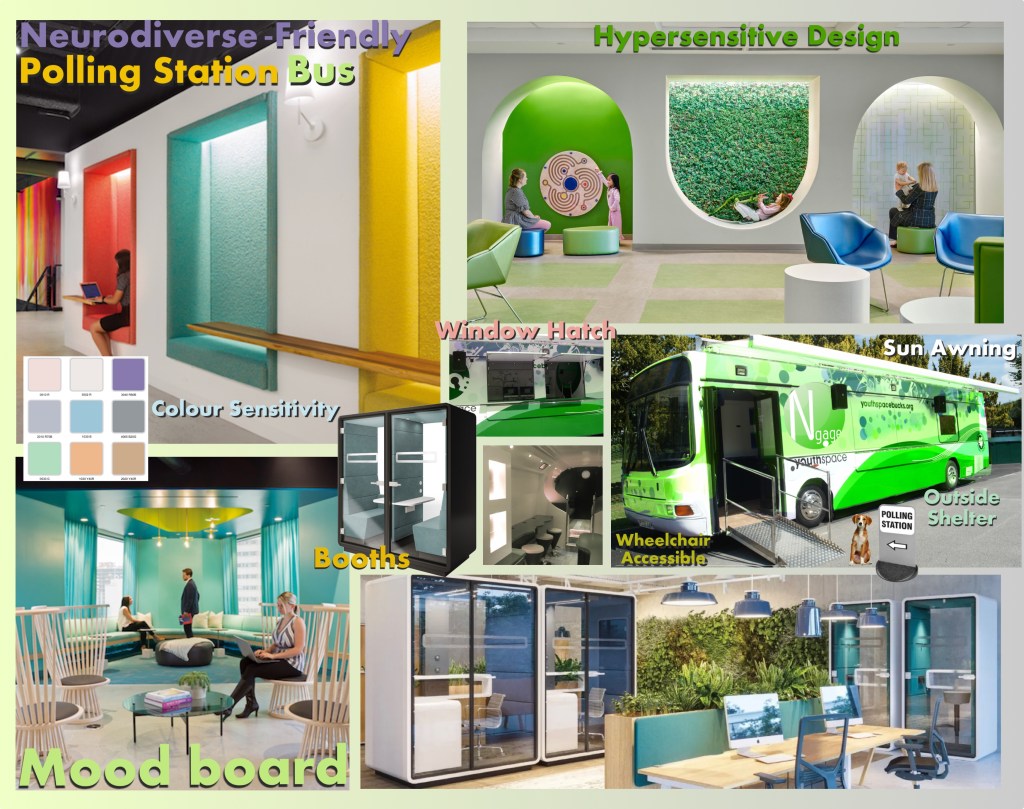
The project’s design incorporates several critical elements aimed at accommodating the unique requirements of neurodiverse voters. Sensory-friendly environments, clear and concise instructions, visual aids, and support staff trained in inclusive communication techniques are just a few features that will make the polling station an inclusive haven for individuals with neurodiverse conditions.
Raising Awareness and Inspiring Change:
The impact of this collaboration extends far beyond the boundaries of Northumbria University. By actively involving the students, who are the future leaders and change-makers, the project seeks to raise awareness about voting accessibility and foster a culture of inclusivity in democratic processes. The students’ engagement in the research and development of the neurodiverse-friendly polling station not only equips them with practical experience but also instills in them a sense of responsibility to create a society that values the voices of all its members.

Conclusion:
The collaboration between Ngage, New Beginnings, and students from Northumbria University is an inspiring example of how organisations and educational institutions can come together to drive positive change. By addressing the specific challenges faced by neurodiverse individuals in the voting process, they are setting a precedent for a more inclusive and accessible future.
The establishment of a neurodiverse-friendly polling station on the university campus serves as a beacon of hope, inspiring communities worldwide to dismantle barriers and create an environment where every voice is heard. As the next election approaches, the collaborative team stands united, eager to usher in a new era of inclusivity and empower those who have long been overlooked. Together, they are paving the way for a future where voting truly becomes a right for all.
Assignment Steps for Developing a Neurodiverse Polling Station:
- Introduction to Neurodiversity: Begin by providing a comprehensive introduction to the concept of neurodiversity, explaining various neurological conditions, such as autism, ADHD, dyslexia, sensory processing disorders, and more. Highlight the importance of recognising and embracing neurodiversity in public spaces like polling stations.
- Literature Review: Conduct a literature review to identify existing research on accessibility and inclusivity in polling stations or public spaces for neurodiverse individuals. Analyse the strengths and weaknesses of these existing approaches.
- Interviews and Surveys: Plan and conduct interviews with people working in the fields of neurodiversity, accessibility, and public policy. Additionally, design a survey to gather feedback from neurodiverse individuals on their experiences and challenges related to voting in traditional polling stations.
- Identifying Barriers: Based on your literature review and interviews, identify the common barriers neurodiverse individuals face in traditional polling stations. Consider physical, sensory, and social barriers.
- Inclusive Polling Station Design: Propose innovative ideas and strategies to create a neurodiverse polling station that addresses the identified barriers. Your suggestions may include considerations for sensory-friendly environments, clear and simple instructions, accessible voting machines, trained staff, and more.
- Technology and Accessibility: Investigate how technology can be leveraged to enhance the accessibility of the polling station for neurodiverse voters. Explore the potential of assistive devices and mobile applications in facilitating the voting process.
- Policy Recommendations: Develop a set of policy recommendations that local governments and polling authorities can implement to promote neurodiversity and inclusivity in all polling stations.
- Cost Analysis: Consider the financial implications of implementing your proposed ideas. Estimate the costs associated with the changes and improvements you recommend for the polling station.
- Conclusion: Summarise the key findings of your research and emphasise the significance of creating neurodiverse polling stations. Reflect on the potential impact of such inclusive designs on the broader community.
Note: Throughout your research, be sure to cite all the sources properly and follow the ethical guidelines when conducting interviews and surveys. The assignment should present a well-rounded approach to designing a neurodiverse polling station, combining theoretical insights with practical and feasible solutions.
- Calling All Creatives: Turn a LEGO Figure into Art for Landmark Exhibition

- Wey Aye LEGO Man Wins Prestigious 3rd Sector Care Award for Creative Arts!

- Wey Aye LEGO Man 2025: Transforming LEGO in the Heart of Newcastle
- Calling All Artists to LEGO and Have Fun!

- What’s it like to live in a dyslexic mind?

 Neuroversal Studios