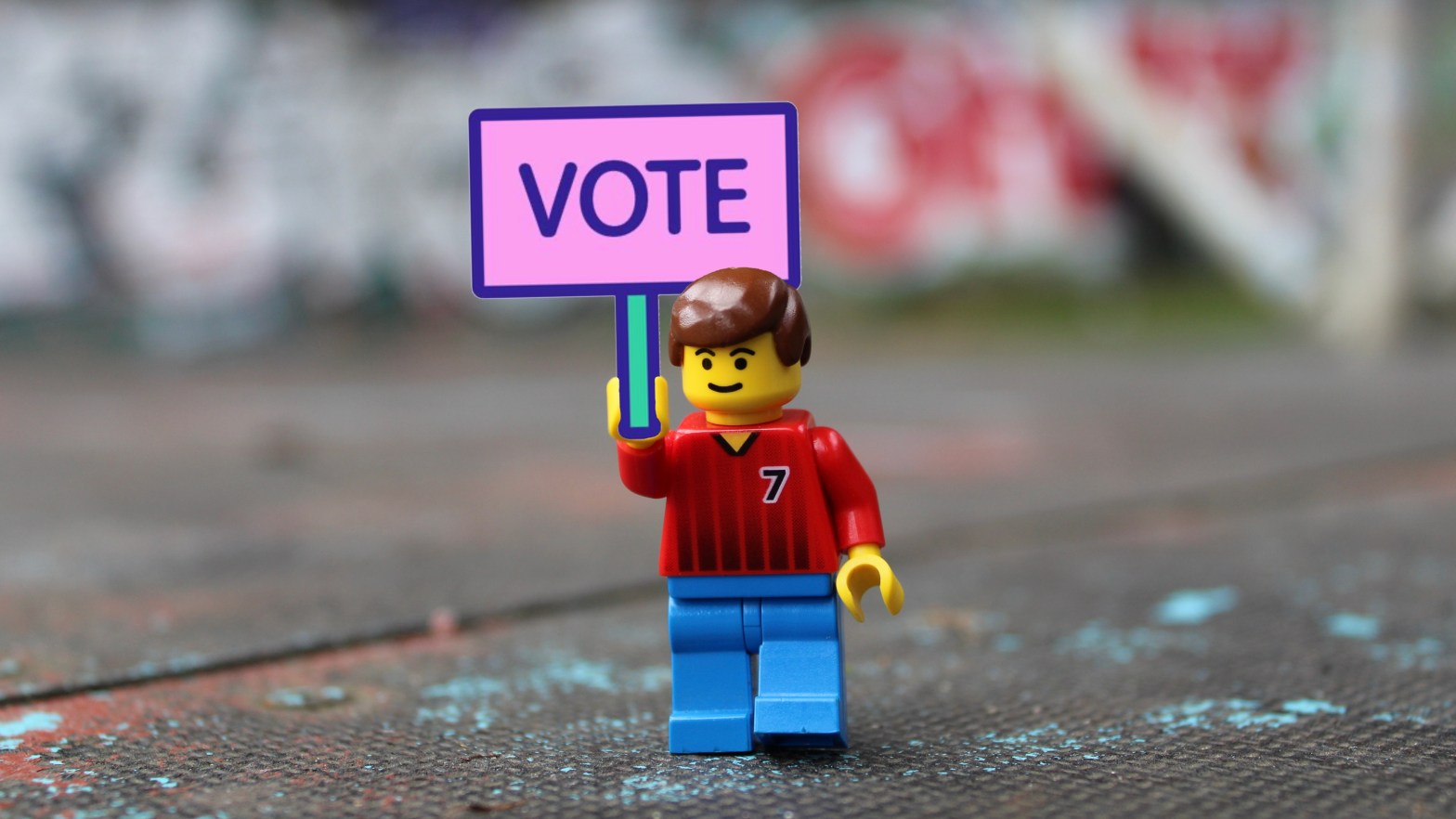
In the heart of the United Kingdom, a group of passionate individuals are embarking on a remarkable journey to redefine the very essence of democracy. Rachel Spencer and Mark Butcher have brought together a dedicated team in collaboration with Ngage NE Ltd, New Beginnings NE Ltd, and students from Northumbria University, who are championing the cause of neurodiversity and advocating for a more inclusive and welcoming voting experience for all. In this blog post, we explore their inspiring initiative to establish neurodiverse-friendly polling stations and discuss why this movement is essential for our society.
Understanding Neurodiversity
To lay the foundation for this visionary project, the team began by immersing themselves in the concept of neurodiversity. Neurodiversity celebrates the natural variation in human neurological conditions, recognising that differences like autism, ADHD, dyslexia, sensory processing disorders, and more are not deficits but unique aspects of the human experience. It’s much like appreciating the diversity in culture, race, or gender.
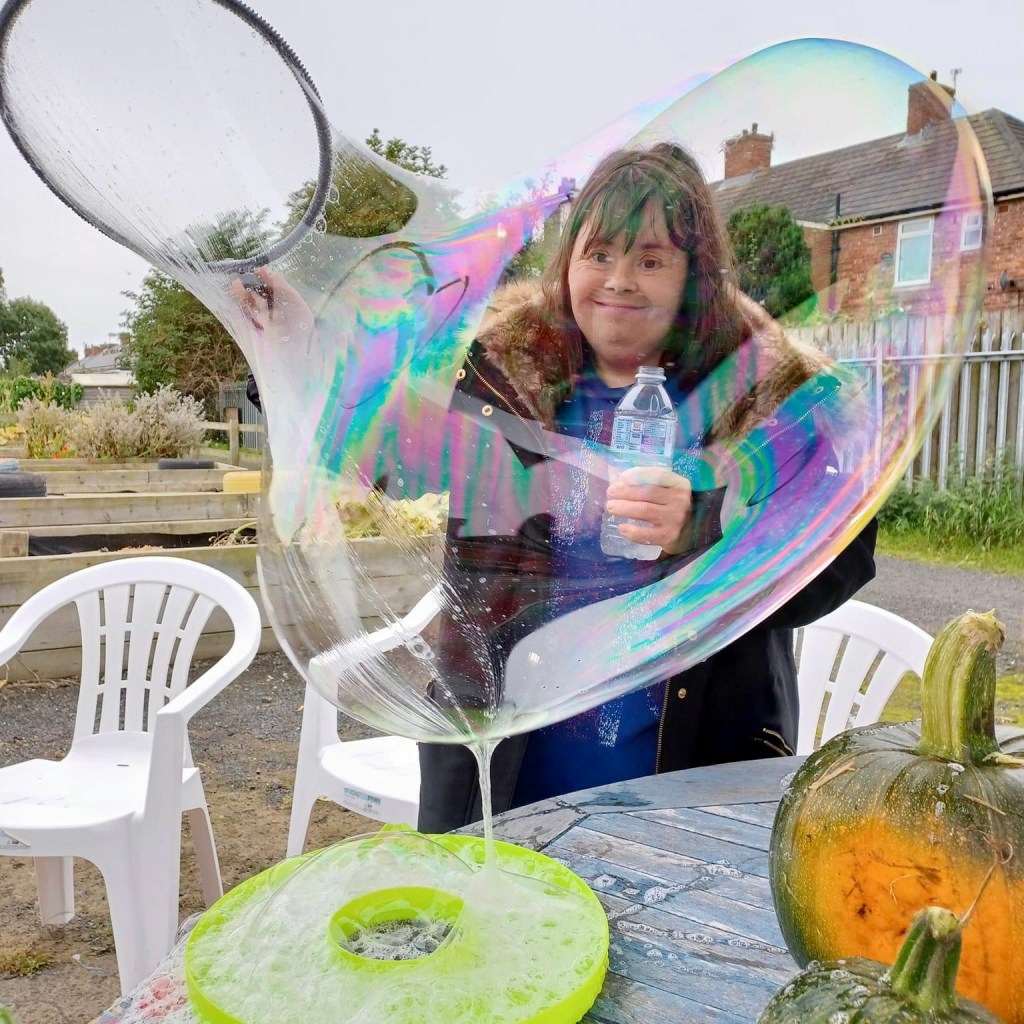
The team embarked on their journey by delving deep into a variety of neurological conditions, extracting valuable insights into their unique attributes. Here are just a few examples:
Autism Spectrum Disorder (ASD): Autism is a complex developmental condition, where individuals exhibit unique strengths, intense interests, and challenges in social interactions and communication.
Attention-Deficit/Hyperactivity Disorder (ADHD): ADHD is characterised by difficulties in sustaining attention, controlling impulses, and regulating activity levels. People with ADHD often exhibit high levels of creativity and energy.
Dyslexia: Dyslexia affects reading, spelling, and writing but doesn’t indicate intelligence. Individuals with dyslexia often have strong problem-solving and creative thinking skills.
Sensory Processing Disorders: These conditions involve atypical reactions to sensory stimuli, such as touch, sound, taste, or smell. Some individuals may be hypersensitive, while others might be hyposensitive, influencing how they experience the world around them.
Intellectual Disabilities: Individuals with intellectual disabilities may have limitations in intellectual functioning and adaptive behavior but contribute uniquely to their communities.
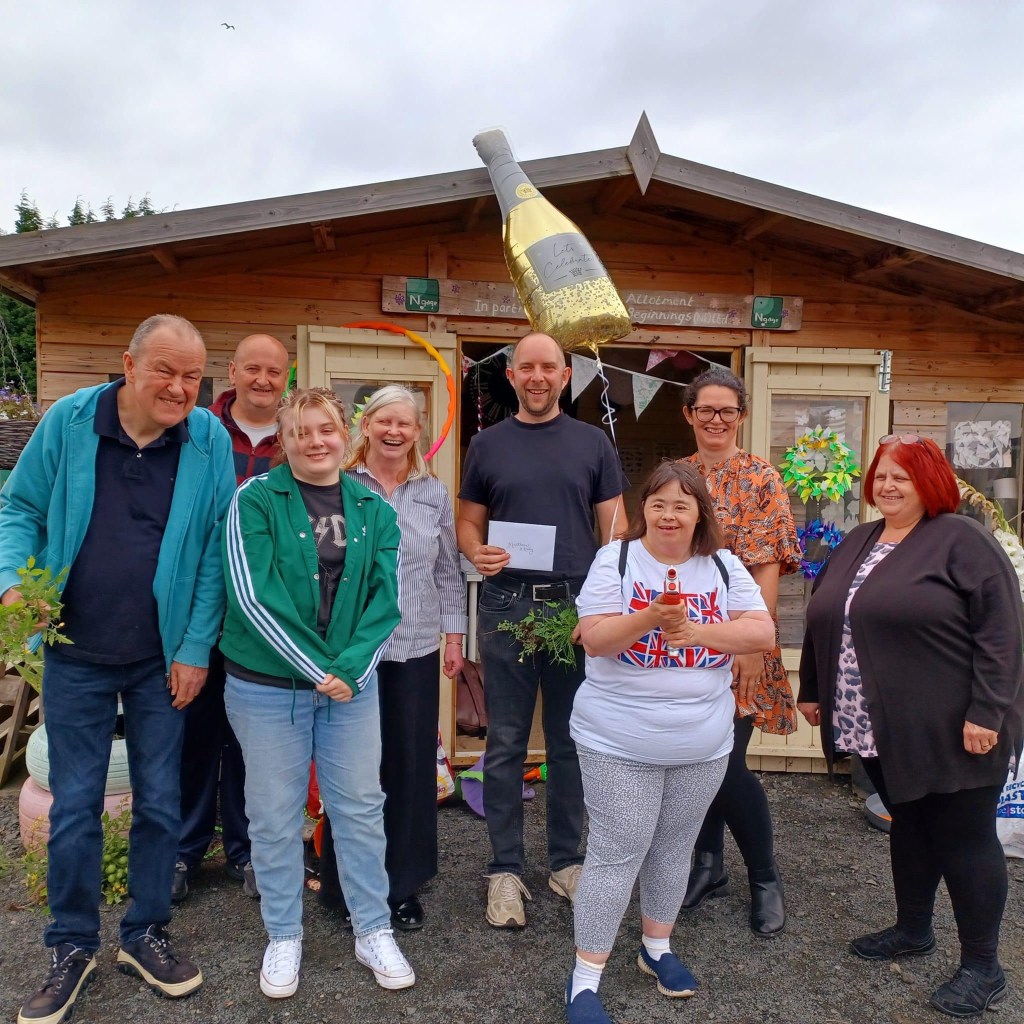
This knowledge served as a foundation for their crucial research. They are now bringing together a committee composed of neurodiverse people interested in join our campaign and making a difference. If you would like to learn more about this committee, please contact Rachel Spencer: rachel.spencer@nbneltd.co.uk
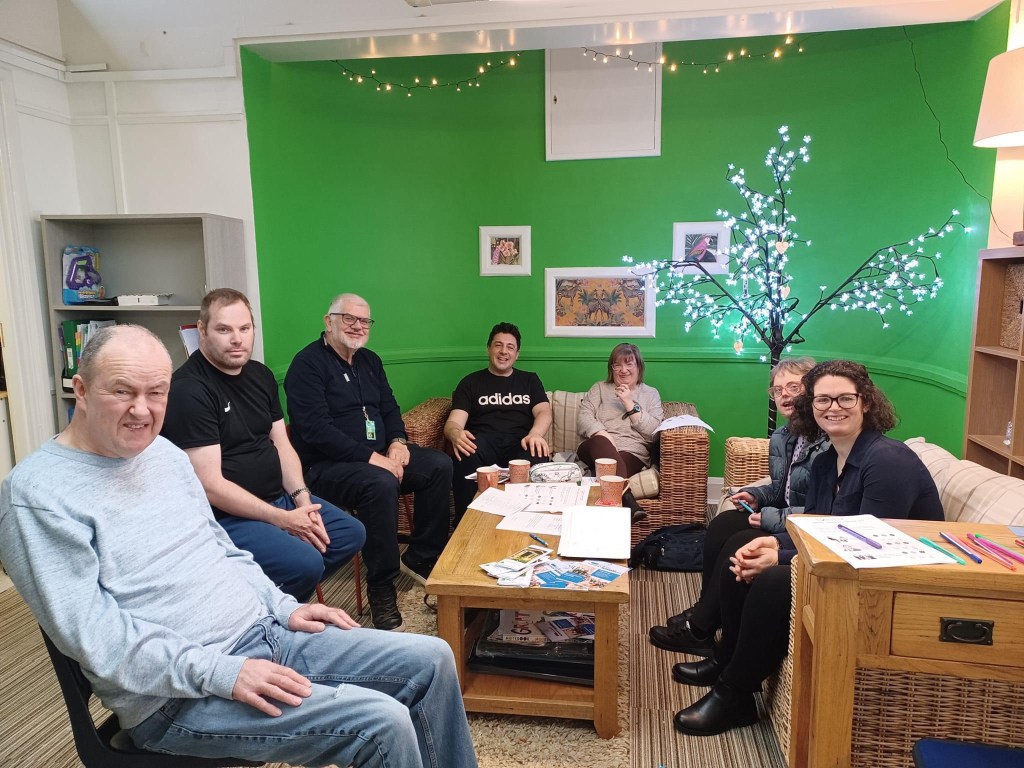
Embracing Neurodiversity in Public Spaces
The team recognises the importance of embracing neurodiversity in public spaces like polling stations for several reasons:
Inclusivity: An inclusive approach ensures that everyone, regardless of their neurological differences, can participate in civic activities, including voting.
Equal Representation: Neurodiverse individuals are a significant part of the population, and their perspectives matter. Recognising their right to vote ensures a more representative democracy.
Accommodations: Simple accommodations, like clear instructions, quiet spaces, and sensory-friendly environments, significantly ease the voting experience for individuals with various neurological conditions.
Breaking Stigmas: Embracing neurodiversity reduces stigma and misconceptions surrounding these conditions, fostering understanding, empathy, and acceptance.
Fostering Innovation: Many neurodiverse individuals possess unique talents and innovative thinking, which society can tap into by creating spaces that welcome diversity.

Taking the Next Steps
The team, along with their collaborators, has outlined a comprehensive plan to achieve their vision for neurodiverse-friendly polling stations:
Literature Review: They are conducting a literature review to identify existing research on accessibility and inclusivity in polling stations. This will help them understand the strengths and weaknesses of existing approaches.
Interviews and Surveys: The team plans to conduct interviews and surveys to gather feedback from neurodiverse individuals on their voting experiences and challenges.
Identifying Barriers: Based on their research, they will identify common barriers neurodiverse individuals face in traditional polling stations, considering physical, sensory, and social aspects.
Inclusive Polling Station Design: They will propose innovative ideas to create a neurodiverse polling station that addresses identified barriers. Their suggestions may include sensory-friendly environments, clear instructions, accessible voting machines, and trained staff.
Technology and Accessibility: The team will explore how technology can enhance the accessibility of polling stations for neurodiverse voters, leveraging assistive devices and mobile applications.
Policy Recommendations: They will develop policy recommendations for local governments and polling authorities to promote neurodiversity and inclusivity in all polling stations.
Cost Analysis: The team will consider the financial implications of their proposed ideas, estimating the costs associated with implementing inclusive designs.
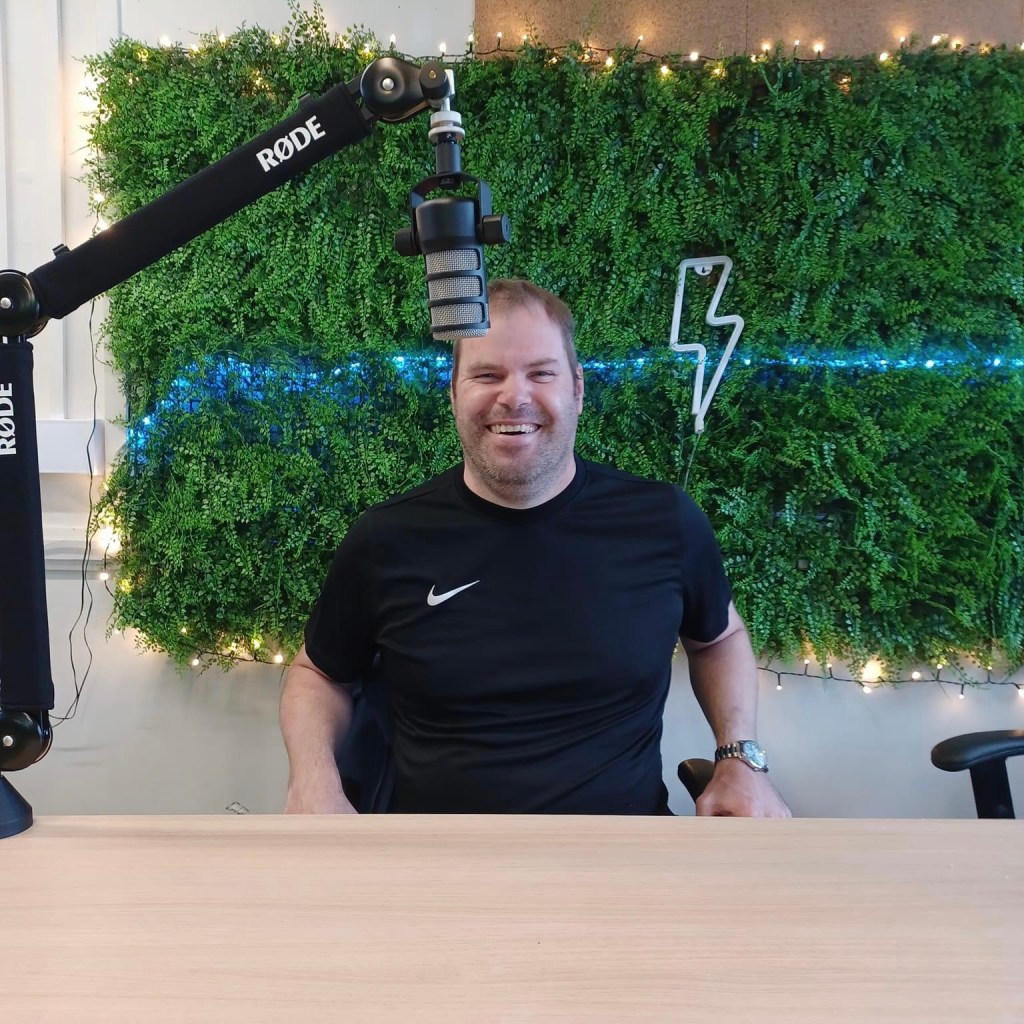
This remarkable journey promises to transform the way we approach voting, ensuring that every voice is heard and every vote counts. It’s a testament to the power of community, compassion, and the unwavering belief that a more inclusive world is not only possible but essential.
Conclusion
The Neurodiverse-Friendly Polling Station project is a beacon of hope, lighting the way for a future where our democratic processes truly reflect the rich tapestry of our society. As we stand by this dedicated campaign, we look forward to witnessing the positive change they will undoubtedly bring to the UK and beyond.
To get involved and support this important initiative, please contact Rachel Spencer at rachel.spencer@nbneltd.co.uk. Your contribution can make a meaningful difference in creating a more inclusive and welcoming voting experience for neurodiverse individuals. Together, we can reshape democracy to reflect the diversity of our society. Join us on this transformative journey!

Stay connected with us by following our social media profiles! Join our vibrant community and be the first to catch the latest updates, behind-the-scenes glimpses, and exciting announcements. Don’t miss out on the journey ahead – follow us today for a front-row seat to all the exciting diverse events in the North East.
- Calling All Creatives: Turn a LEGO Figure into Art for Landmark Exhibition

- Wey Aye LEGO Man Wins Prestigious 3rd Sector Care Award for Creative Arts!

- Wey Aye LEGO Man 2025: Transforming LEGO in the Heart of Newcastle
- Calling All Artists to LEGO and Have Fun!

- What’s it like to live in a dyslexic mind?
 Neuroversal Studios