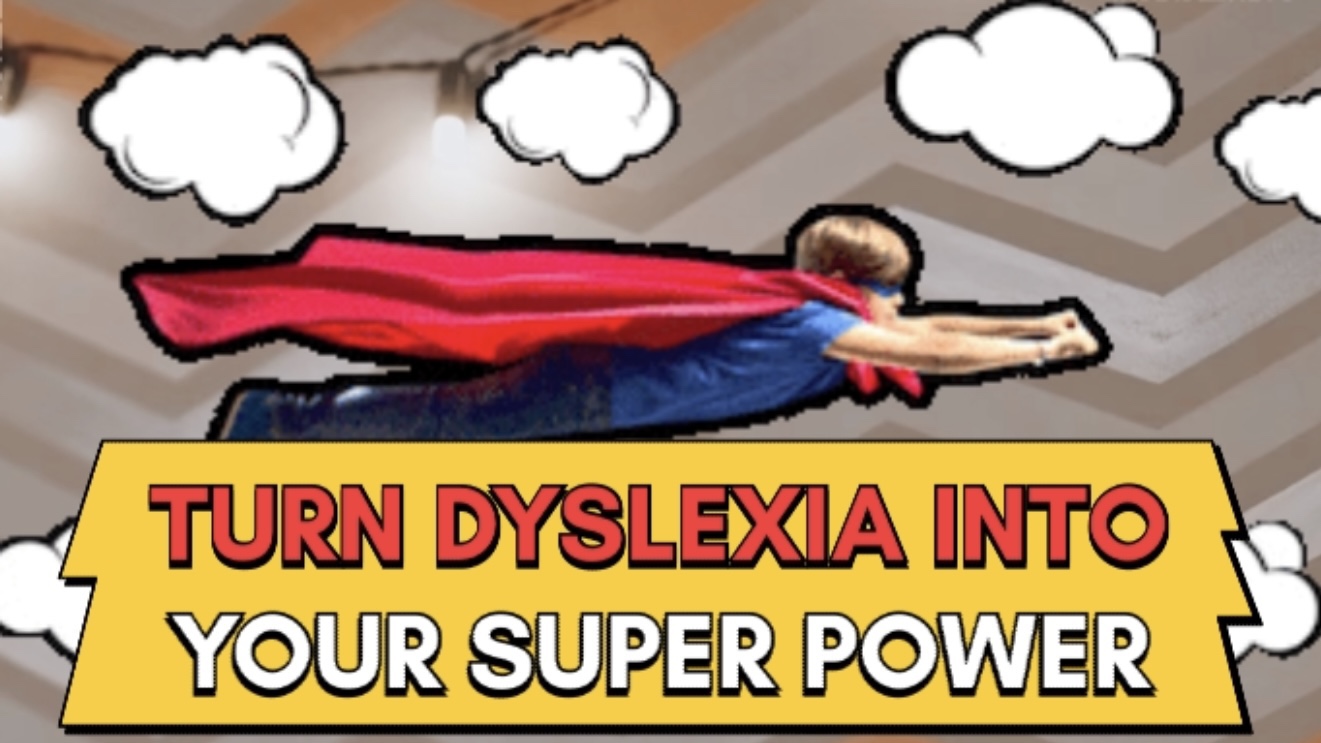
As a society, we tend to see neurodiverse conditions like autism and dyslexia as obstacles, as something that needs to be fixed or cured. But what if we shifted our perspective and saw these individuals as superheroes? What if we recognised their hidden talents and abilities, instead of just focusing on their challenges?
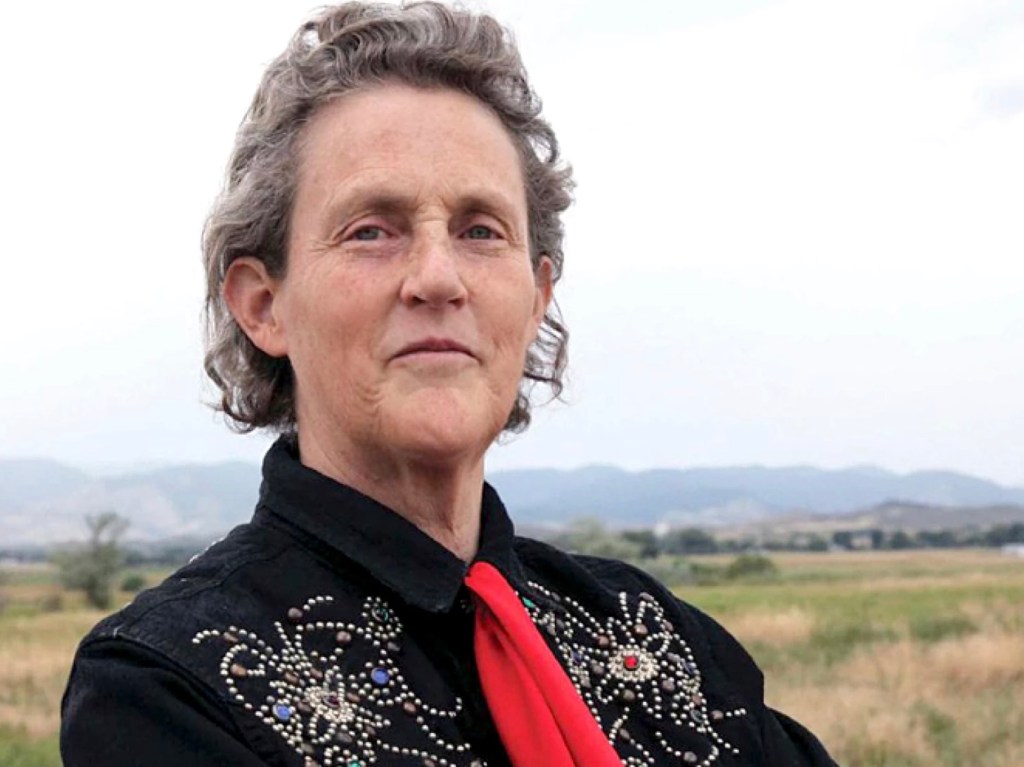
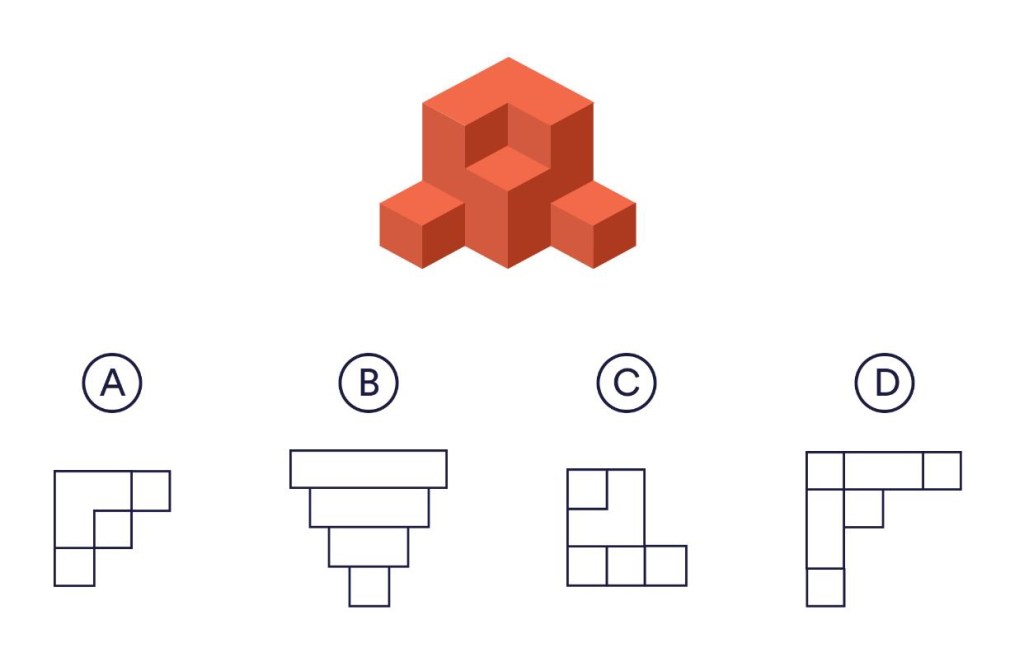
Temple Grandin, a renowned autism advocate, once said, “The world needs all types of minds.” And she couldn’t be more right. Individuals with neurodiverse conditions have unique perspectives and abilities that can bring a fresh and innovative approach to problem-solving and creativity. For example, many individuals with autism have a heightened ability to focus and excel in tasks that require attention to detail, such as coding, engineering or mathematics. Dyslexic individuals are often great at visual-spatial tasks and creative problem-solving, making them ideal for careers in design, video creation, architecture and advertising.
In fact, some of the most successful people in history have been neurodiverse Albert Einstein was widely thought to have had Asperger’s Syndrome, Steve Jobs was dyslexic, Mozart had Tourette’s Syndrome. These individuals were not held back by their conditions; instead, they used their unique abilities to change the world. Greta Thunberg, Chris Packham, Jack Monroe credit their Asperger’s with giving them the focus to get things done.
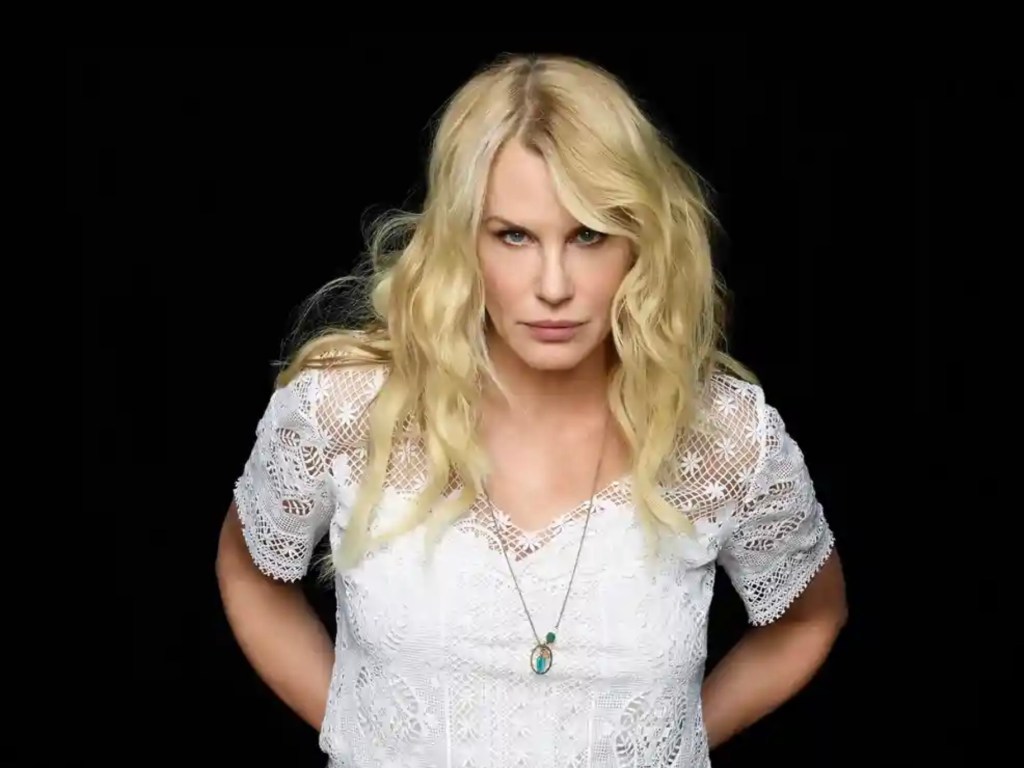
So, what can we do to support neurodiverse individuals and help them to see themselves as superheroes? Firstly, it’s important to recognize and celebrate their talents, instead of just focusing on their challenges. As the actress and autism advocate, Daryl Hannah, says, “People need to focus on ability, not just disability…and see the potential in people with autism.”
Secondly, we need to provide opportunities for individuals with neurodiverse conditions to showcase their talents and excel in their chosen fields. This means creating inclusive workplaces and educational environments that embrace neurodiversity and provide the necessary accommodations for individuals to thrive.
Lastly, we need to challenge the stigma and stereotypes that surround neurodiverse conditions. As the writer and dyslexia advocate, Jonathan Mooney, says, “It’s time to move beyond the deficit-based approach to learning and unleash the power of neurodiversity.”
In conclusion, let’s stop seeing neurodiverse individuals as a burden or something that needs to be fixed. Instead, let’s recognise their hidden talents and abilities and embrace them as the superheroes they truly are. As the autism advocate, Alex Plank, says, “We are not broken. We are not incomplete. We are different, and that is our superpower.”
- A Journey of Resilience and Triumph: Kath’s New Beginnings

- Are You Managing Dyslexia, or Is It Managing You?

- Breaking Barriers: Celebrating Neurodiversity in Photography with the ‘Wey Aye Lego Man’ Exhibition

- Breaking Barriers: How People with Disabilities Are Changing the World of Work
 Neuroversal Studios
They’re doing amazing and showing the world that neurodiverse people are talented and can achieve so much too.
LikeLiked by 1 person
Maybe, we are at the very beginning of a movement that will make great strides for neurodiverse people so we can gain greater diversity in workplace and other kinds of life-changing opportunities.
LikeLiked by 1 person
Yes, I really hope so.
LikeLiked by 1 person